
DSCR Loans Explained
What are DSCR loans? How are they used? Who benefits from DSCR loans, and how? All of these questions and more explained here.
John Camacho
1/10/20263 min read
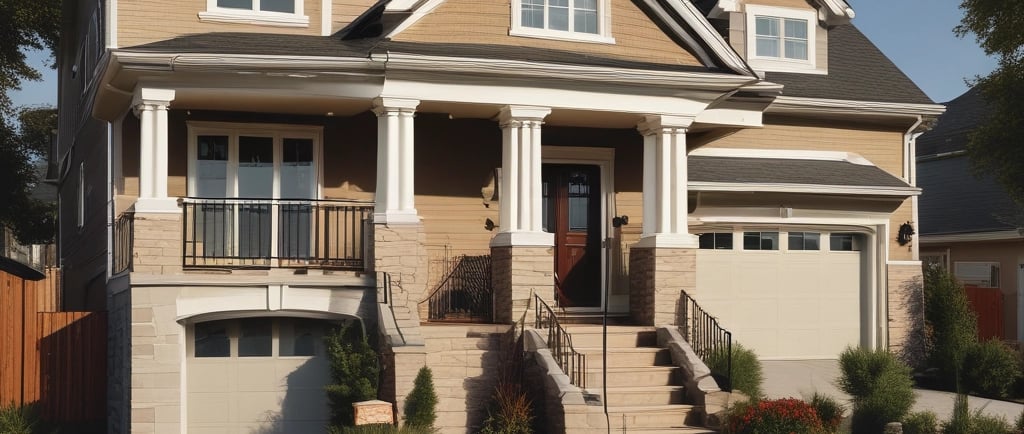

In the evolving world of real estate investing, "Debt Service Coverage Ratio" (DSCR) loans have moved from a niche financial product to a staple tool for savvy investors. If you’re looking to scale your portfolio without the red tape of traditional mortgages, understanding the DSCR loan is essential.
Here is everything you need to know about how these loans work, who they are for, and how to use them to fuel your investment strategy.
What is a DSCR Loan?
A DSCR loan is a type of "Non-QM" (Non-Qualified Mortgage) loan designed specifically for real estate investors. Unlike a conventional mortgage, which looks at your personal income, pay stubs, and W-2s, a DSCR loan focuses almost entirely on the cash flow of the property itself.
The lender wants to know one thing: Does the rental income cover the mortgage payment?
The DSCR Formula
To determine eligibility, lenders use the Debt Service Coverage Ratio formula. While commercial lenders often use Net Operating Income (NOI), residential DSCR lenders (for 1-4 unit properties) typically use a simpler version:
DSCR = GMRI (Gross Monthly Rental Income) / PITIA (Principal, Interest, Taxes, Insurance, HOA) *Example: GMRI of $2,500.00, divided by PITIA of $2,000.00 = DSCR of 1.25
DSCR > 1.0: The property is "cash-flow positive," meaning it generates more than it costs to maintain.
DSCR = 1.0: The property breaks even.
DSCR < 1.0: The property has a "negative cash flow." While some lenders will still fund these, they usually require a higher down payment or better credit.
Why Investors Choose DSCR Over Traditional Loans
Traditional banks often make it difficult for full-time investors to grow. Once you hit a certain number of properties or if your tax returns show heavy deductions, traditional underwriting often hits a wall. DSCR loans solve these specific pain points:
No Personal Income Verification: You don’t need to provide tax returns or W-2s. This is a game-changer for self-employed investors who use legal deductions to lower their taxable income.
No Debt-to-Income (DTI) Limit: Traditional loans look at your personal debt vs. your personal income. DSCR loans ignore your personal DTI, allowing you to acquire an unlimited number of properties as long as the properties themselves are profitable.
Faster Closing Times: Since there is no deep dive into your personal financial history, the underwriting process is significantly faster—often closing in 21 days or less.
Borrow as an LLC: Most conventional lenders require you to close in your personal name. DSCR lenders actually prefer you to close under an LLC or corporation, providing you with better asset protection.
Who Benefits Most from DSCR Loans?
The "House Hacker" Turned Pro: Investors who have hit the 10-property limit for conventional Fannie Mae/Freddie Mac loans.
Self-Employed Entrepreneurs: Those with irregular income or high business write-offs that make them look "risky" to traditional banks.
Short-Term Rental (STR) Owners: Many DSCR lenders now allow the use of AirDNA data or "market rent" projections for Airbnb and VRBO properties.
Foreign Nationals: Investors from outside the U.S. who may not have a U.S. credit history or domestic tax returns.
How to Use DSCR Loans for Real Estate Projects
1. The BRRRR Strategy (Refinance Step)
In the Buy, Rehab, Rent, Refinance, Repeat (BRRRR) method, the "Refinance" step is where the DSCR loan shines. After you've renovated a property and placed a tenant, you can use a DSCR loan to pull your initial capital out (Cash-Out Refinance) based on the new appraised value and the new rental rate.
2. Rapid Portfolio Scaling
Because these loans don't impact your personal DTI, you can theoretically close on three different properties in three different states at the same time. This is the primary way modern investors "speed run" their way to 20+ units.
3. Purchasing with "Light" Renovations
If a property is already habitable but needs cosmetic updates to command higher rent, you can use a DSCR loan for the purchase. Once the updates are done and the rent is increased, you can later refinance into a better rate because your DSCR ratio will have improved.
The Bottom Line
While DSCR loans typically come with slightly higher interest rates (usually 1% to 2% higher than conventional) and require a larger down payment (typically 20-25%), the trade-off is unparalleled flexibility and speed.
For the serious investor, a DSCR loan isn't just a mortgage—it’s a scalable business tool that decouples your personal life from your investment growth.
Phone
(949) 436-4028
© TriWest Holdings, LLC 2025. All rights reserved.
Triwest holdings, llc
COSTA MESA, CA 92627